
We often talk about how AI helps us build new products, speed up development, and improve business processes. But I think some equally interesting changes are happening in everyday life.
Recently, I built a small app for just one user - my son.
He's studying medicine at a college in Spain. Students have access to PDFs and presentations with all the necessary material, but that's just one way to study. What if you have 10-15 minutes to spare and only your phone?
My son has also maintained a Duolingo streak for almost 2,000 days (I'm proud of you!). Clearly, this format helps him keep the habit of practicing regularly.
So I thought, why not use a similar approach to help him prepare for his college exams?
An App in One Evening
With the help of AI, I built a simple mobile app, similar to Duolingo, but with our own study content.
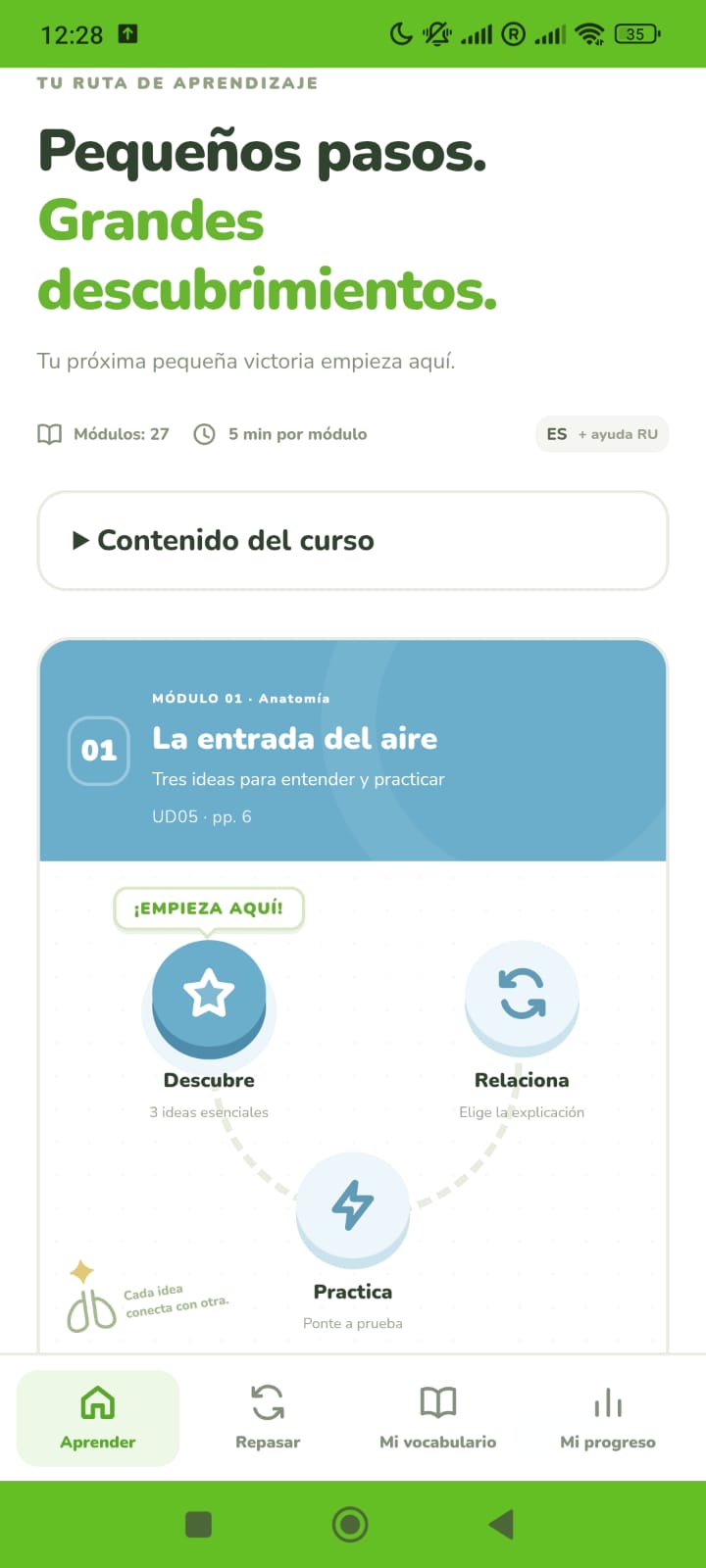
I also use an LLM to turn materials from PDFs and presentations into short interactive exercises.
The app has small quizzes on medical topics from his course, instant feedback, and exercises for learning Spanish medical terminology. The last part is especially useful because Spanish isn't his native language.
Large study modules are broken down into short exercises that he can complete on his phone whenever he has a few free minutes.
The app doesn't replace the college materials. We simply added another way to work with the same content.
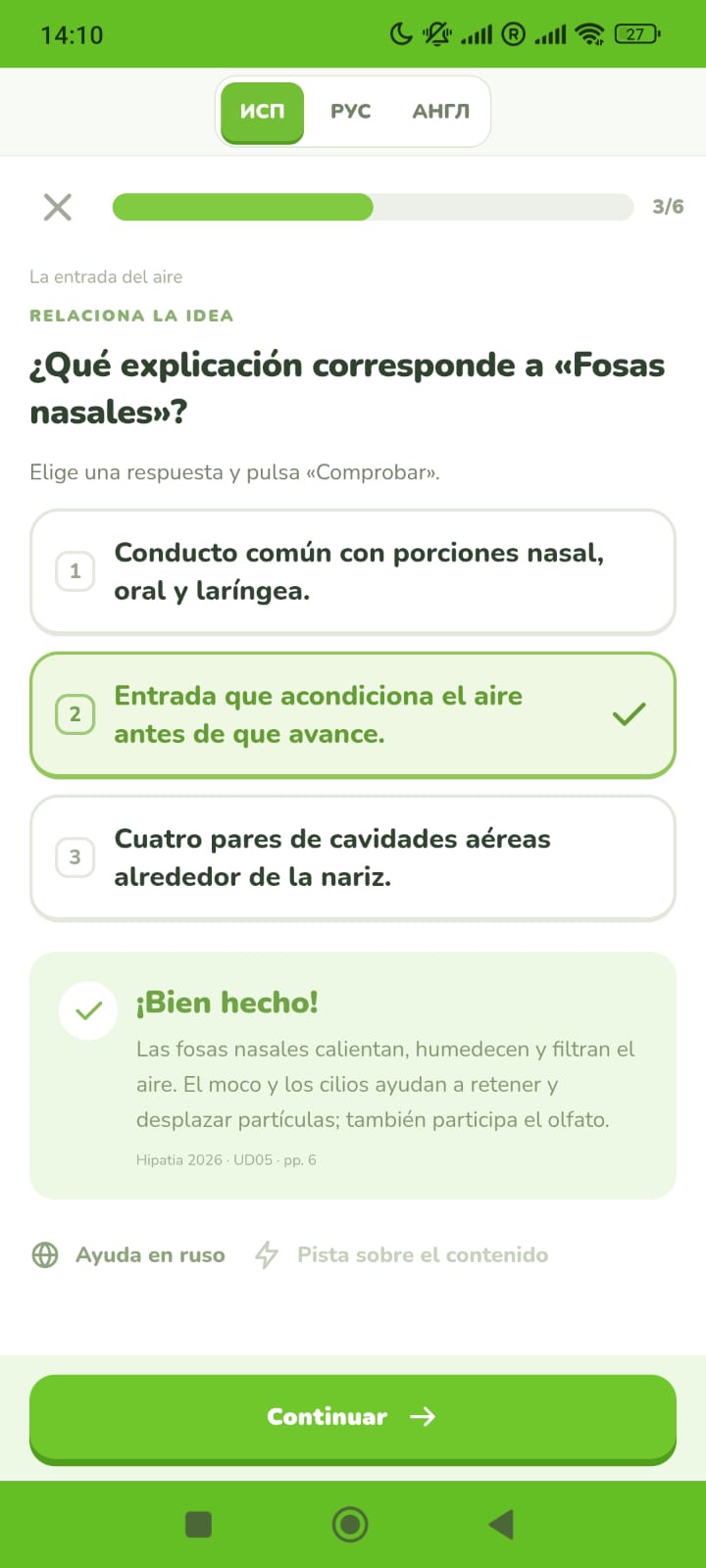
Building an app like this in one evening probably doesn't surprise anyone anymore. But there's another important factor here - timing.
If an exam is next week, an app that takes a month to develop is practically useless. But a tool you can build tonight and start using tomorrow actually makes sense.
Is It Worth Building an App for One Person?
In the past, the answer would probably have been no.
Even a small app required time, money, and some planning. For a single user, the cost would have been too high.
But AI changes that calculation.
Now you can build a tool for a very specific task, use it for a few weeks, and perhaps never open it again. And that might become normal.
Not every app needs to become a startup, find a market, and serve thousands of users. Sometimes solving one person's problem is enough.
In our case, the app is tailored to a specific course, specific exams, and one additional challenge - learning professional terminology in a foreign language.
Finding an existing product that covers all these needs would be difficult. Building our own is now possible at very little cost.
Early Results
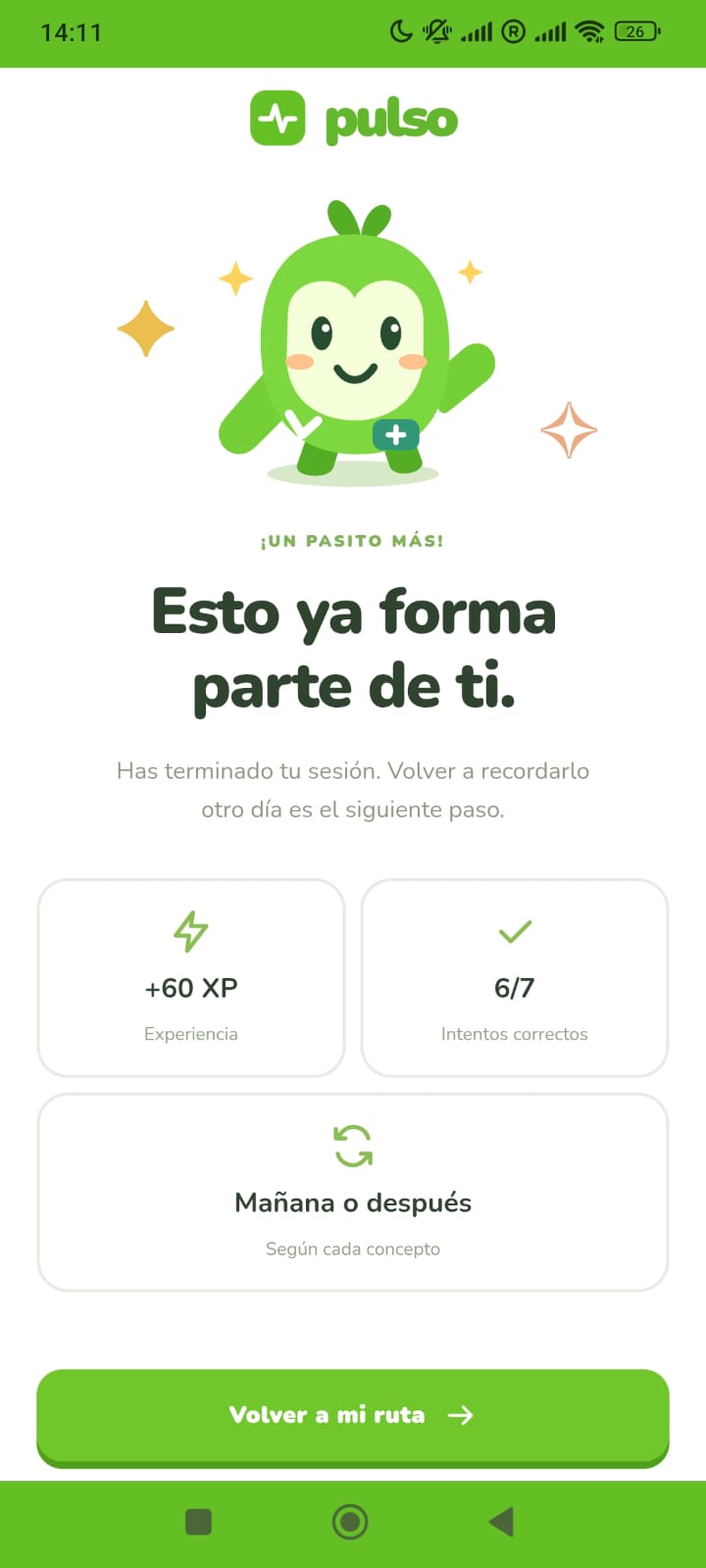
My son has been using the app for a week now. What I especially like is that he often opens it on his own, without any reminders.
This doesn't prove that the new format is effective, but it's a good sign. The app isn't just sitting on his phone. He's actually using it.
This week, he told me he thinks he did well on an exam. We don't have the official grades yet, so it's too early to draw conclusions. And we certainly can't say that the app was responsible for the result.
We plan to continue the experiment with other courses and come back to it in a few months to see whether this approach has become part of his study routine and how useful it has actually been.
From General-Purpose Software to Personal Software
I think this small story points to a bigger change.
Until now, we've been used to finding existing software for our needs. We open the App Store, compare apps, choose the best option, and adapt to its limitations.
But in some cases, it might be easier to build our own tool. Not a universal product with dozens of features, but a small app that solves one specific problem at the right time.
Perhaps much of this software will never be made public. These apps will exist only for one person, one family, or a small group of people. Some will be used for years, others for just a few days.
It's still unclear what form all of this will take. Will we continue building separate apps? Or will AI be able to generate the interactive interface we need right when we need it?
But we can already see a change: building your own software is gradually becoming something that makes sense even without a business or a large audience.
Sometimes one user is enough.